Toxic Algae

Tracking Harmful Algal Blooms (HABs) on the Wallkill River — what they are, the health risks they pose, the story of the watershed’s worst recorded outbreak, and how the community can help monitor and report them.

Diagnostic Visual Matrix — Look-Alikes vs. True HABs

Quick Visual Reference Guide Side-by-side comparison
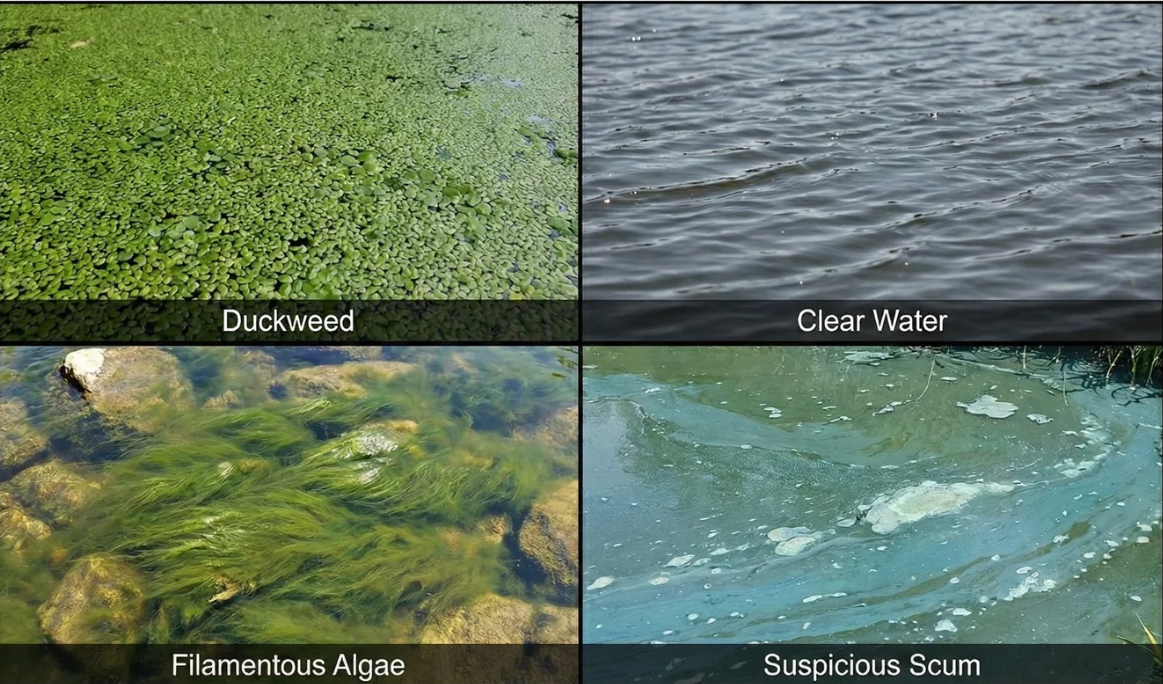
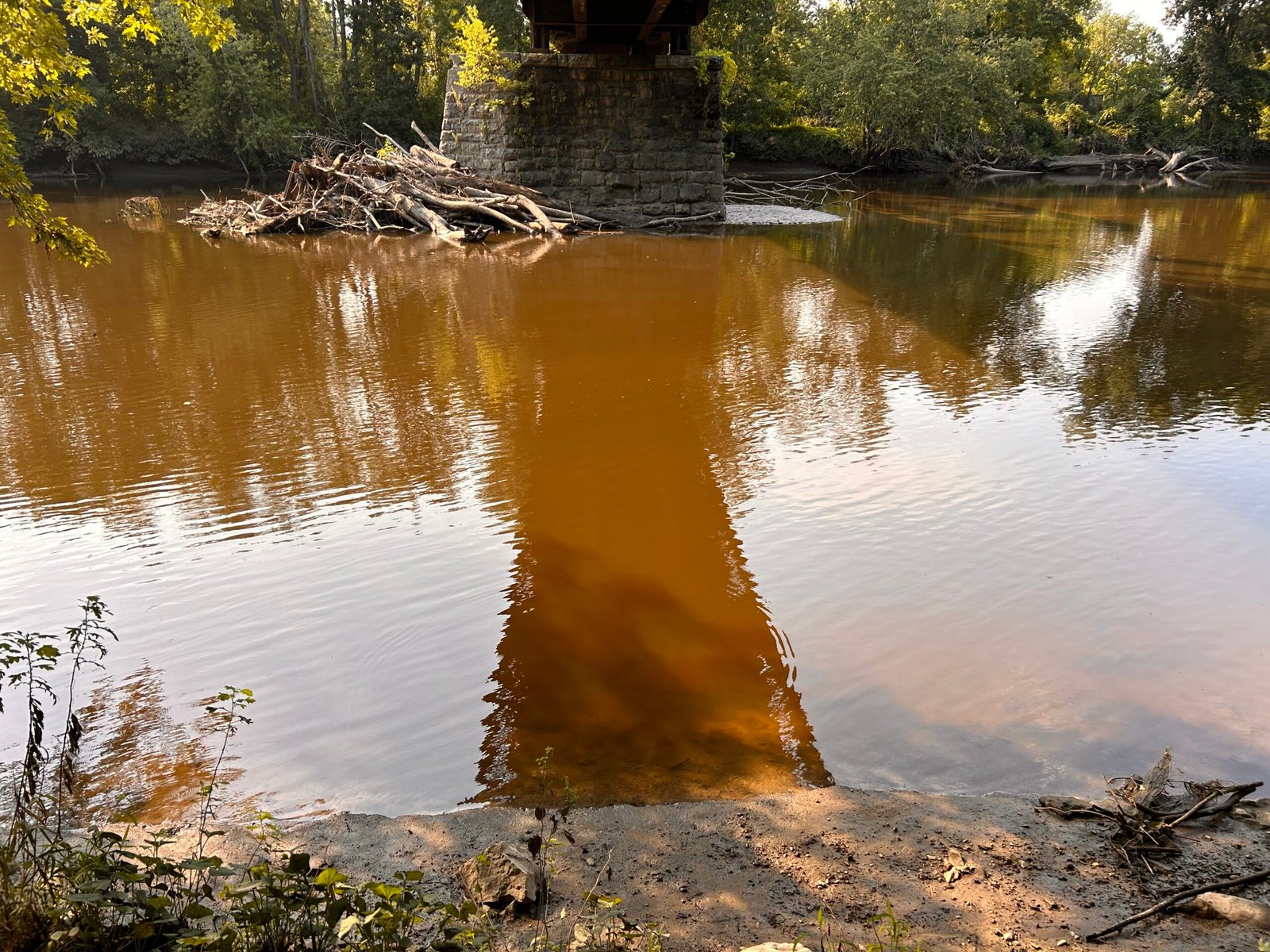
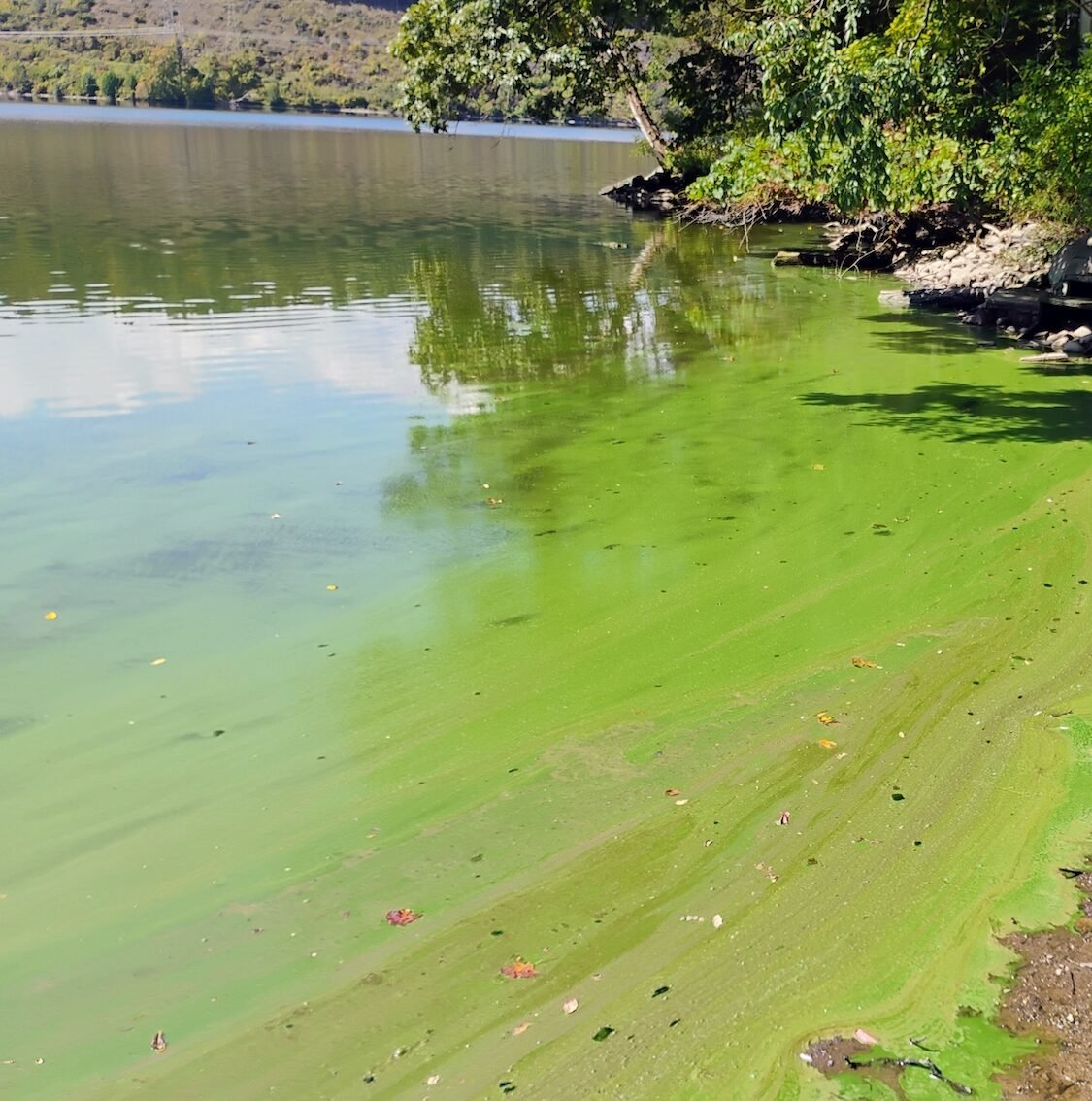
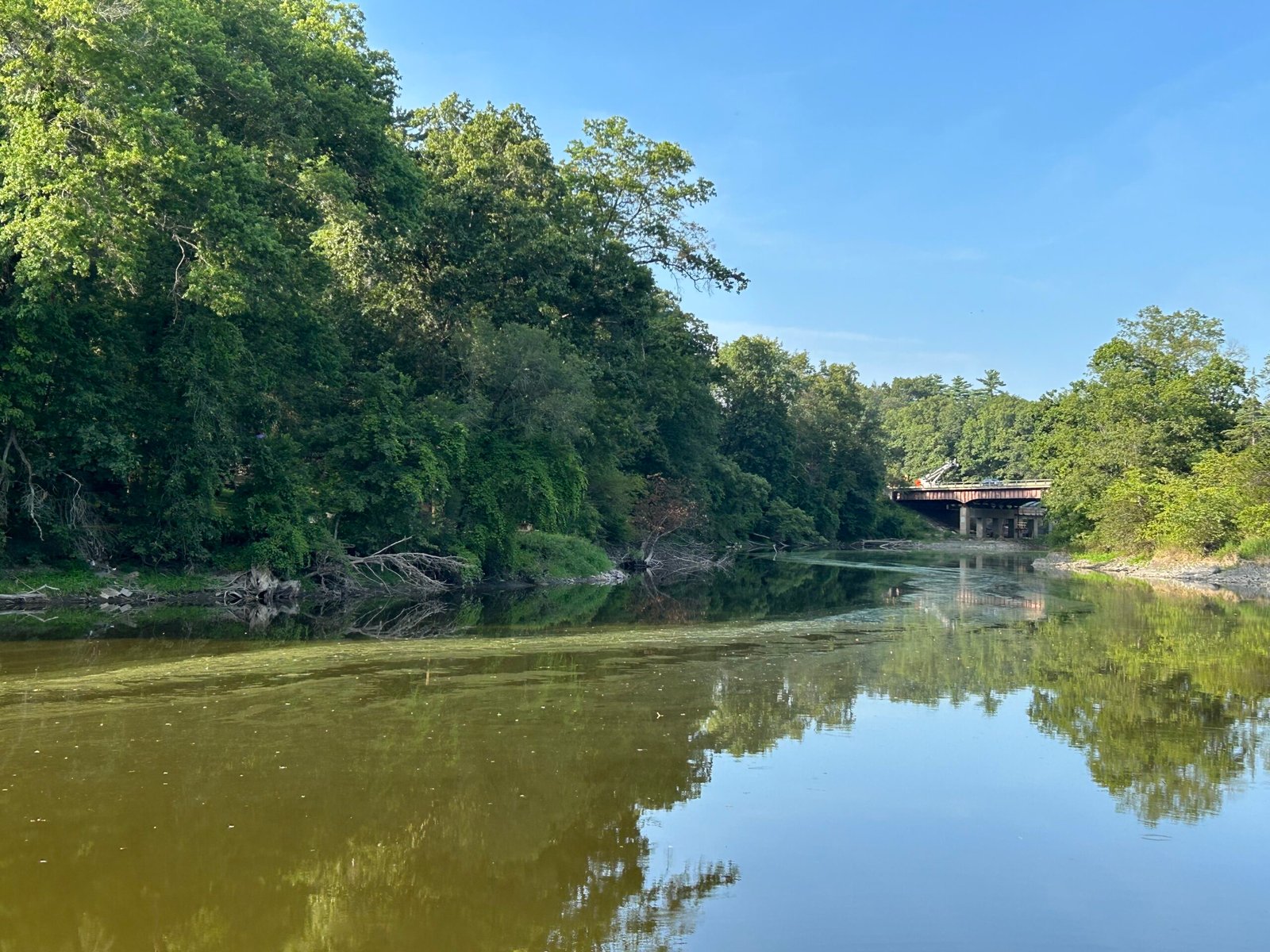
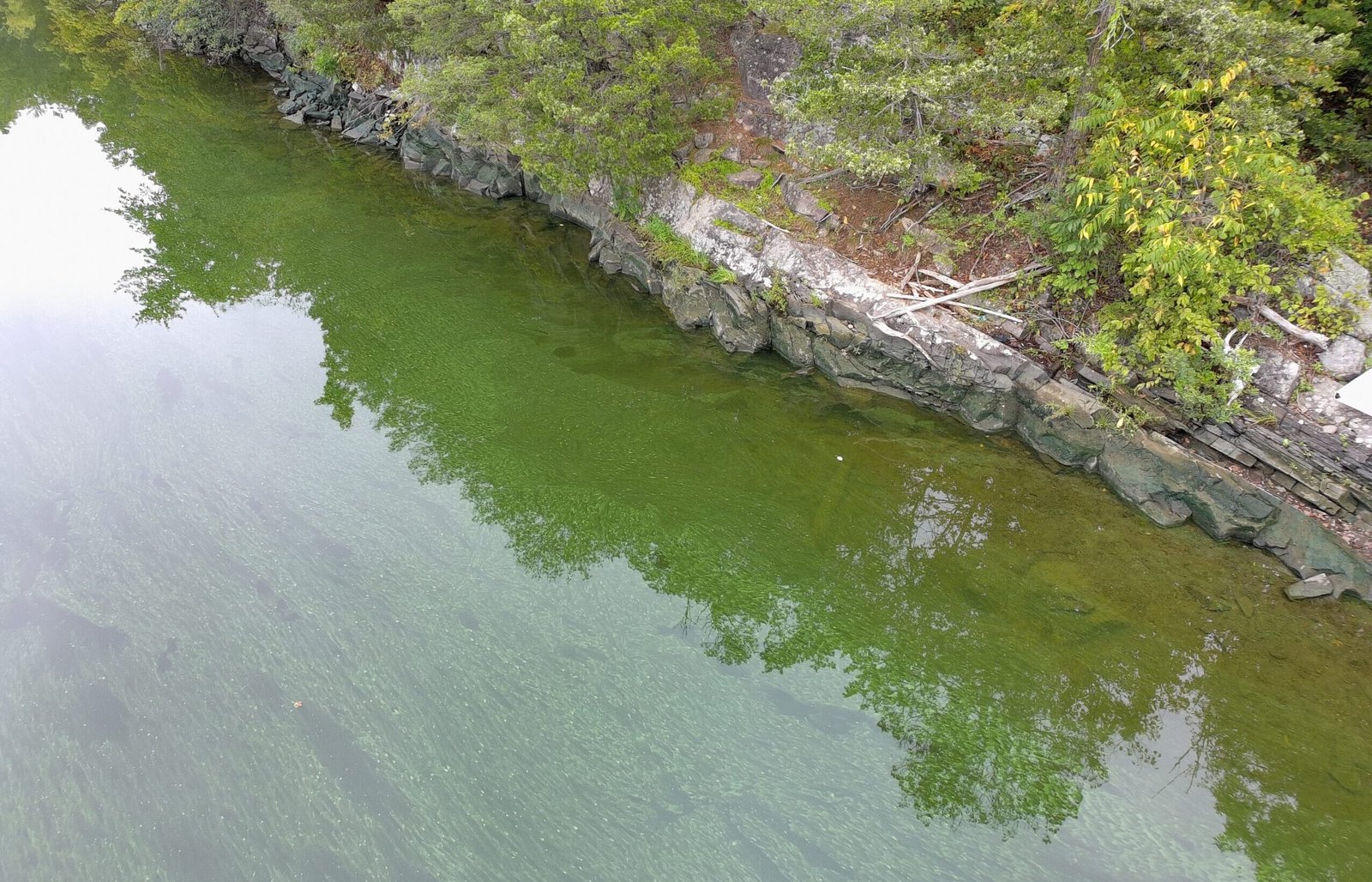
Visual field guide comparing Duckweed, Clear Water, Filamentous Algae, and Suspicious Scum

Top-left Duckweed and bottom-left Filamentous Algae are non-toxic look-alikes. Top-right Clear Water is the baseline. Bottom-right Suspicious Scum shows the swirling, paint-like signature of a true cyanobacteria bloom — escalate immediately.

Non-Toxic Look-Alikes Do Not Escalate

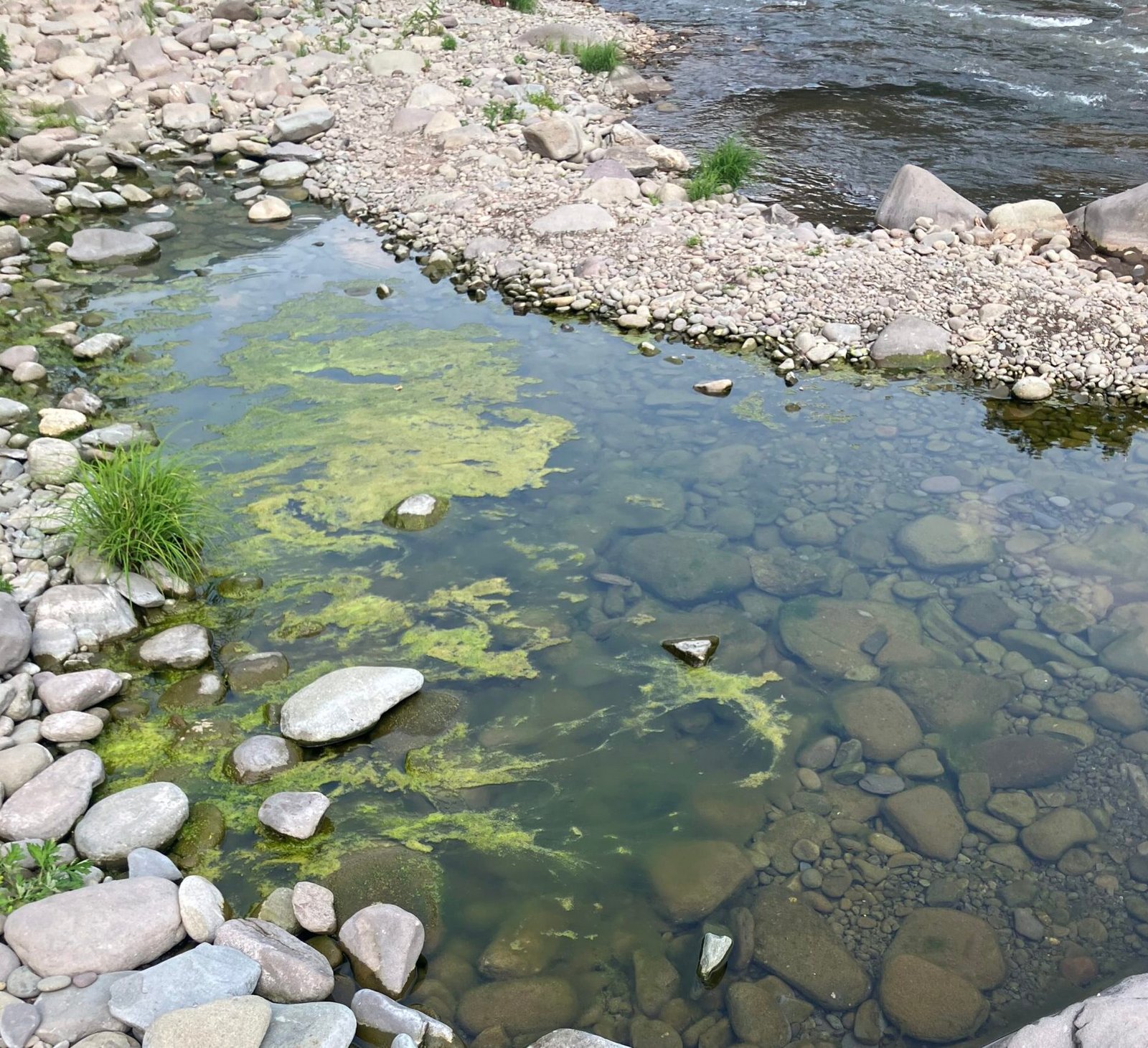
Filamentous Green Algae: Dense, hair-like or cottony green mats floating on the surface or tangled around submerged rocks. Check: when lifted with a stick it stays stringy and thread-like (like wet fabric or green hair) and does not dissolve into the water.

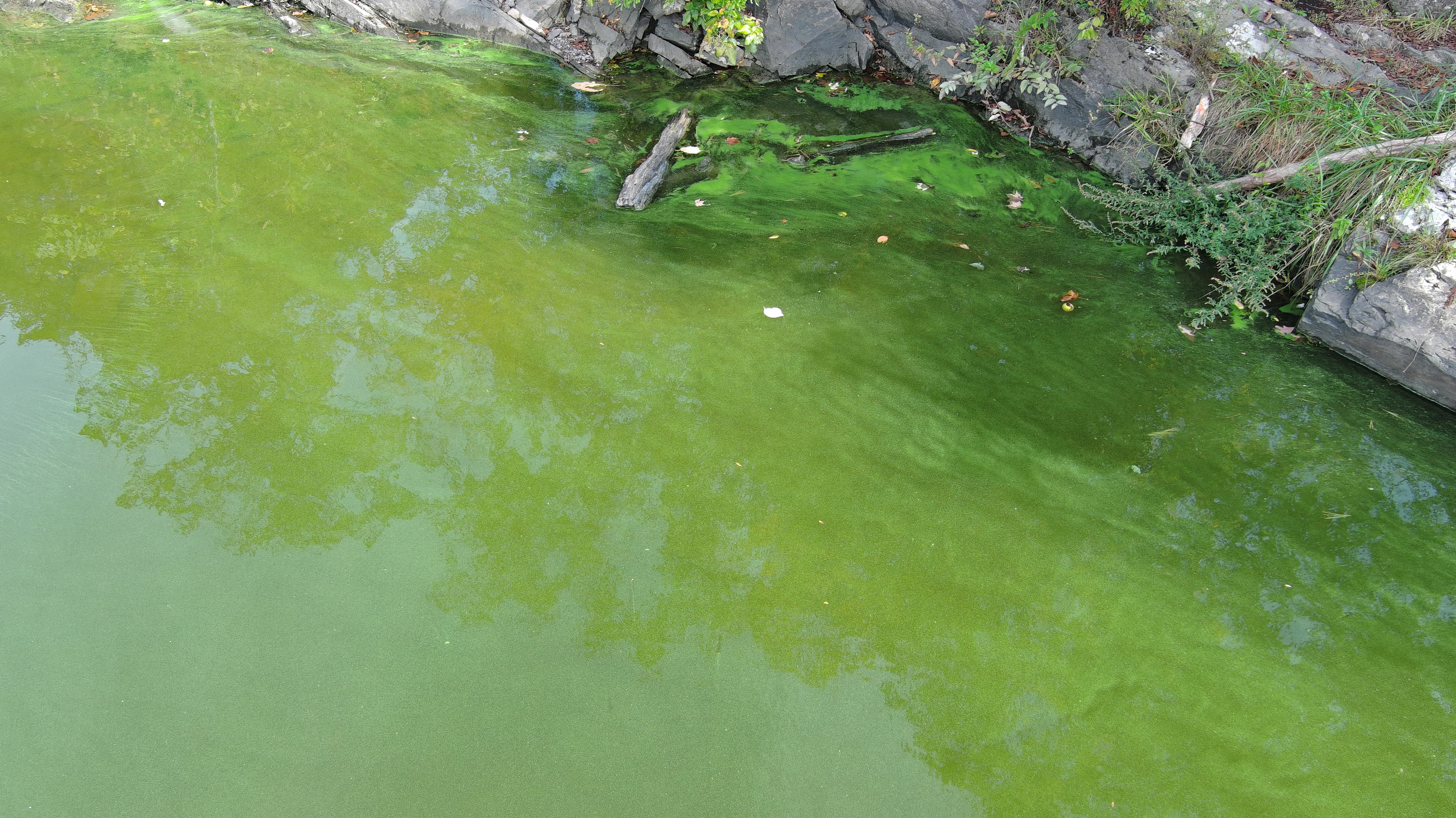
Duckweed & Watermeal: A vibrant green carpet covering stagnant shoreline pools. Check: close up, thousands of tiny oval leaves with hanging rootlets (duckweed); watermeal feels like gritty, abrasive green sand between fingers. These are true flowering plants, not algae.

Tree Pollen: Bright pale-yellow bands across the surface in spring and early summer. Check: an ultra-thin dust-like layer that breaks apart into dry lines when swiped with a paddle — no slimy or gelatinous texture.

True Cyanobacteria Indicators Immediate Action

Pea Soup Opacity: The water column turns entirely green, blue-green, or brownish-green with visibility dropping to near zero. No individual leaves or hair-like strands present.

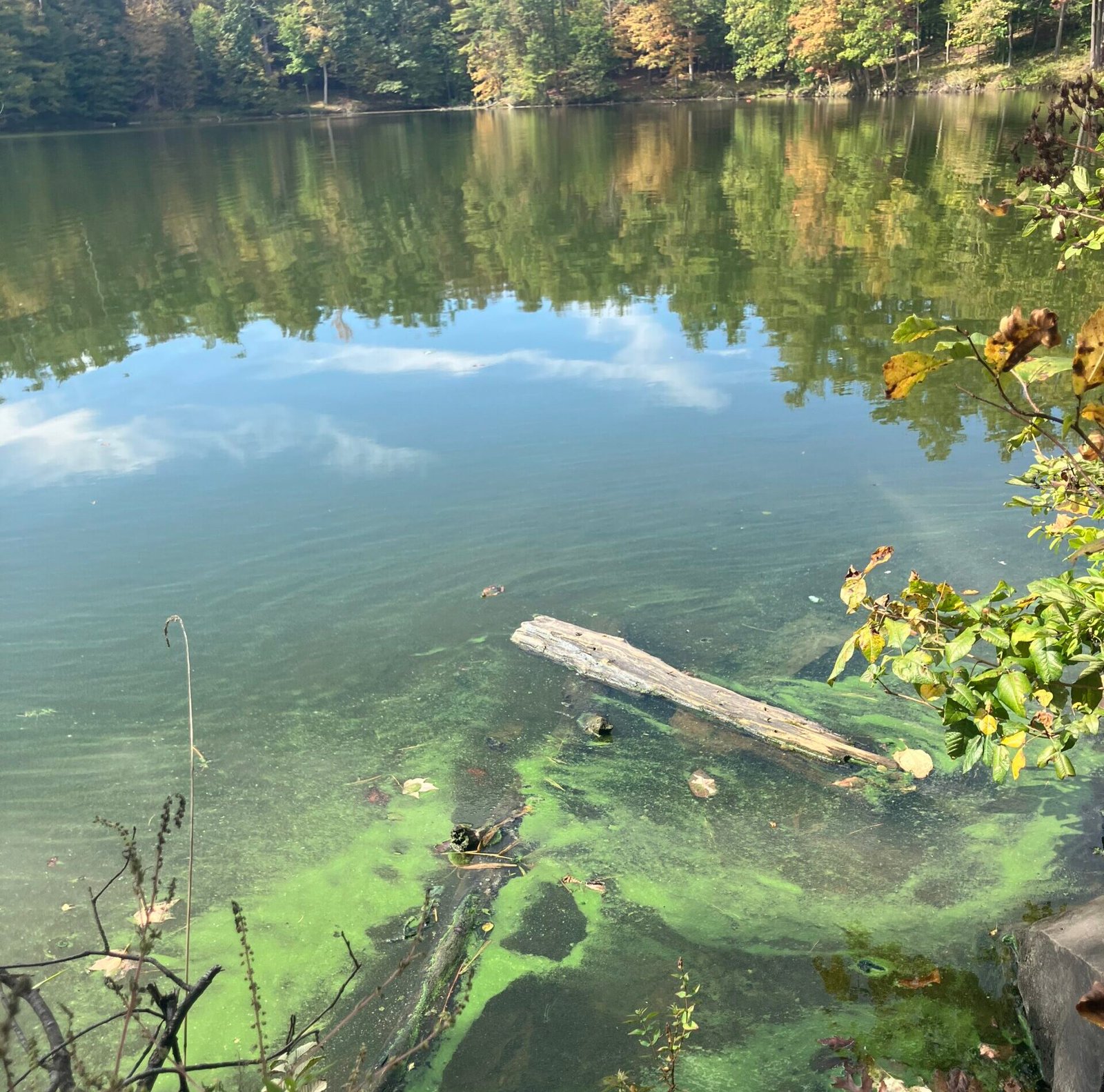
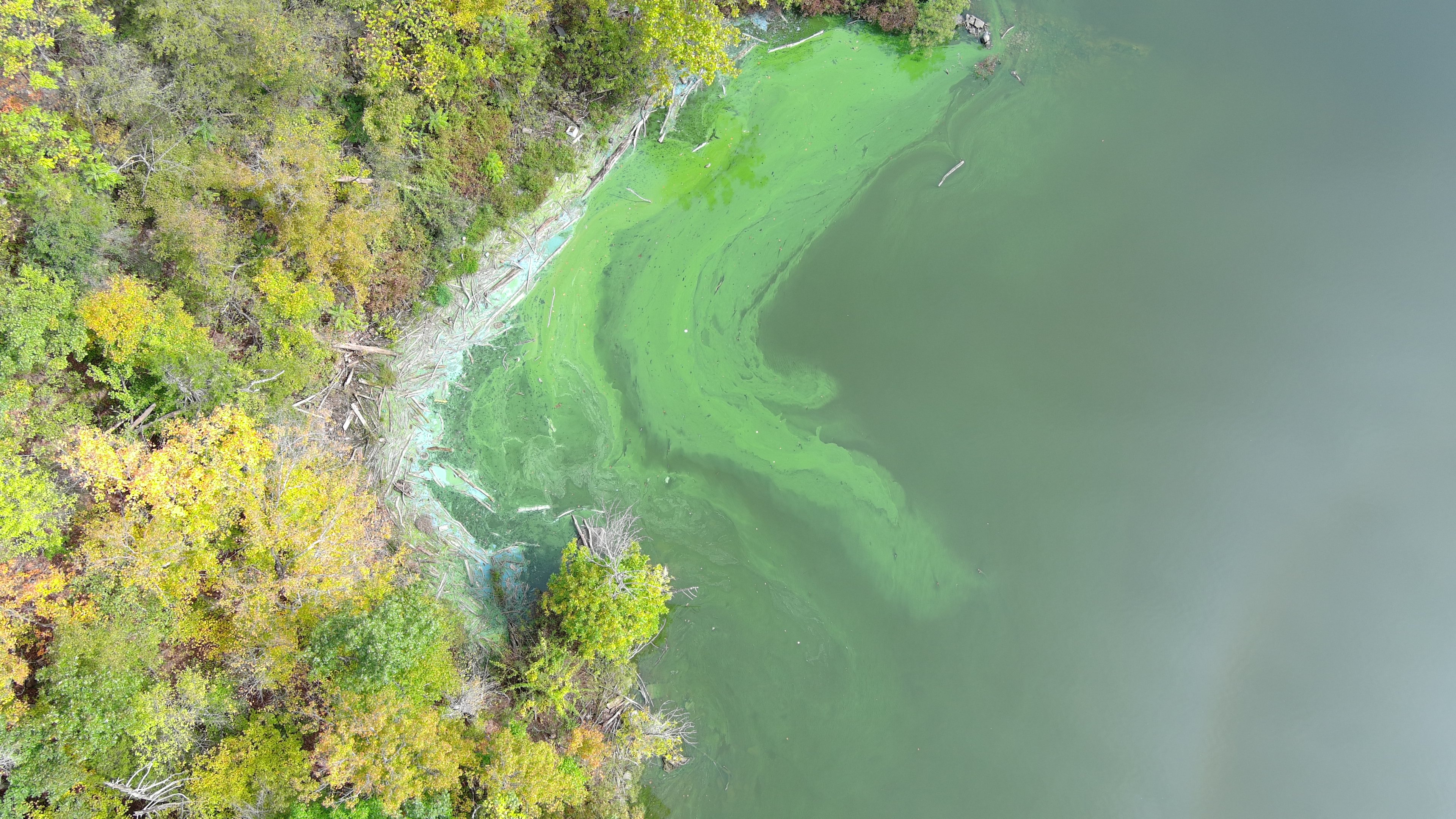
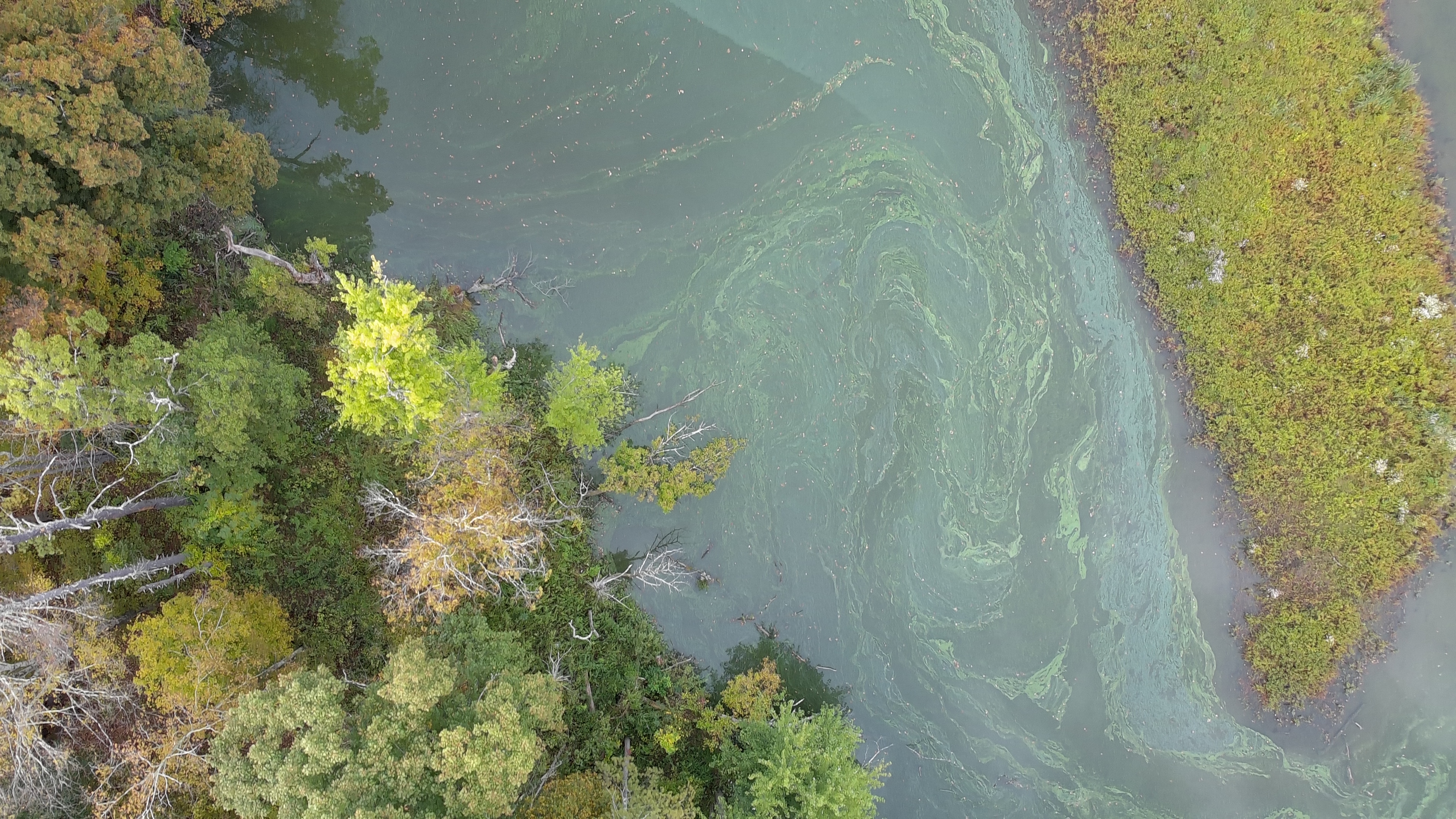
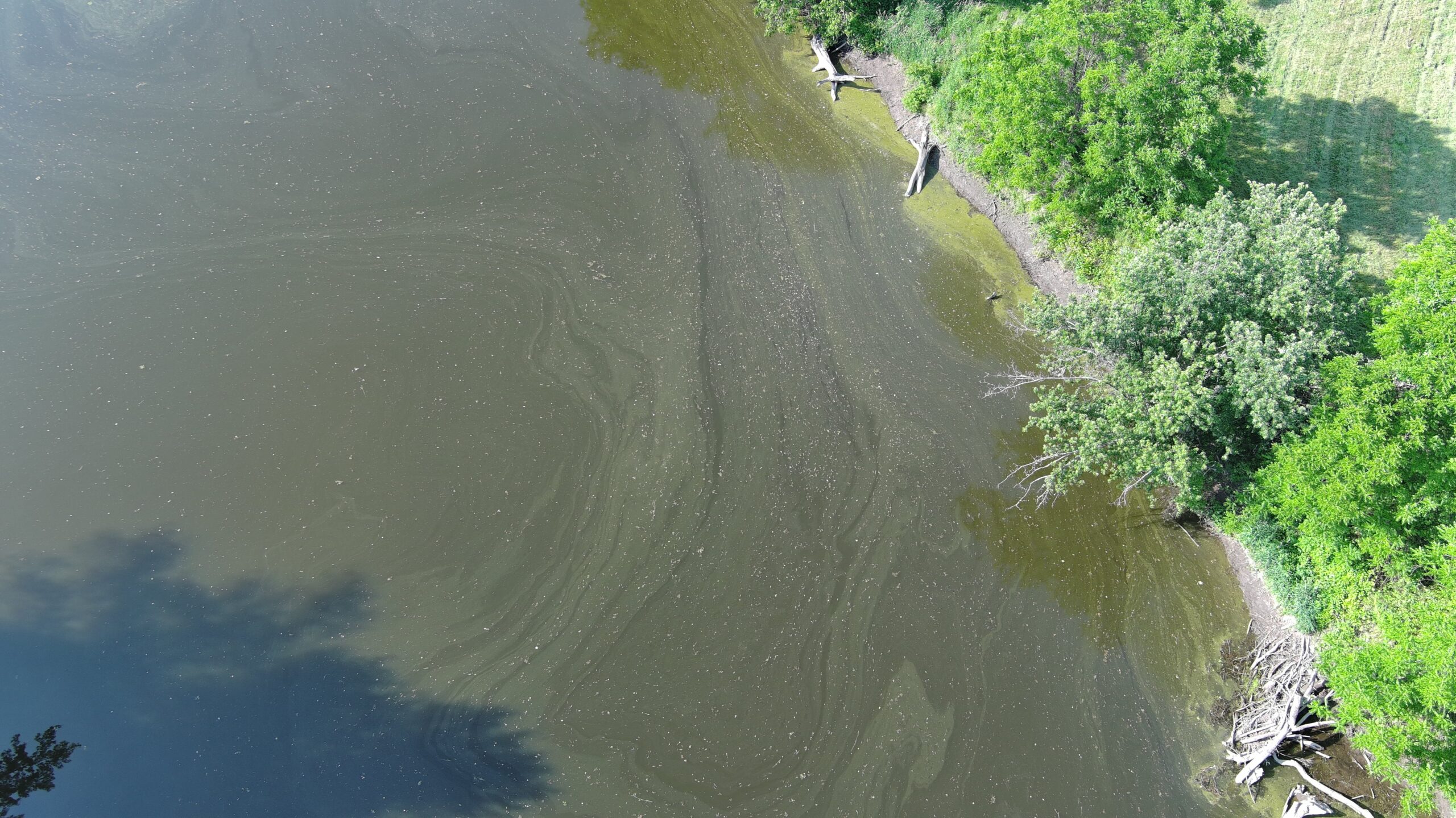
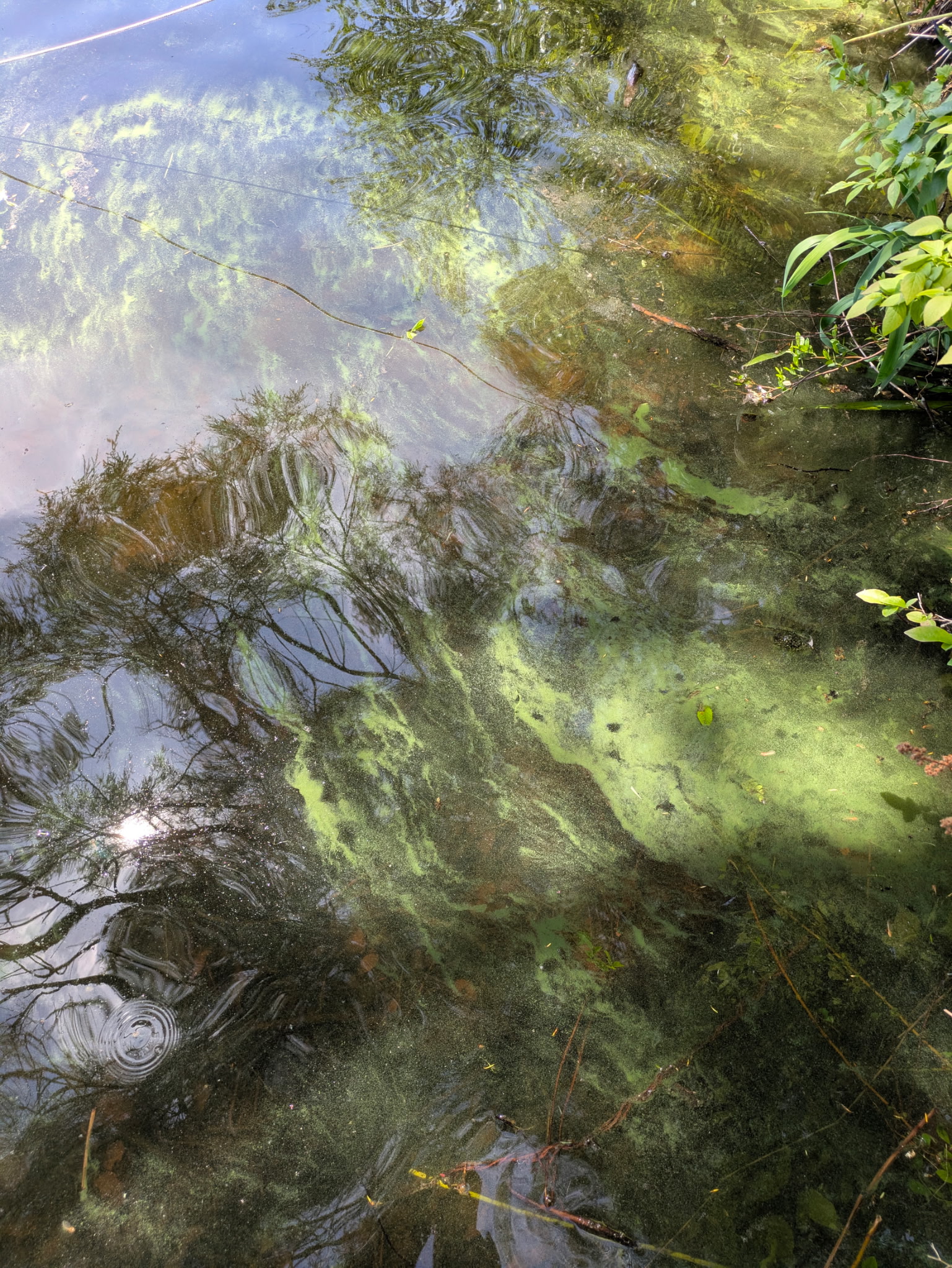
Spilled Paint Swirls: Swirling bands of bright green, iridescent blue-green, white, or decaying purple streaks coat the surface — exactly like industrial paint or oil on the river.

Gelatinous Clumps & Globs: Suspended green, irregularly shaped masses or dots floating within the water column or accumulating in thick, frothy scums against downwind docks or shorelines.

What Is NOT a HAB — Look-Alike Photo Gallery

Common Non-Toxic Look-Alikes Do Not Escalate

These are not harmful algal blooms. Compare them against the true cyanobacteria indicators and the confirmed bloom photos below before escalating an observation.

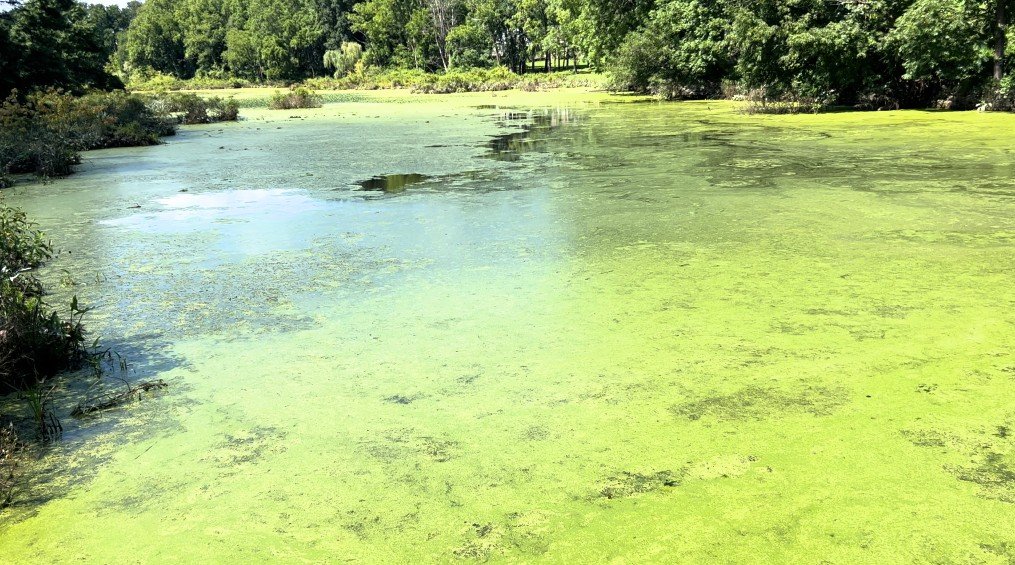
Confirmed Wallkill / Sturgeon Pool HAB Photos

Field Photo Reference Gallery True Bloom Examples

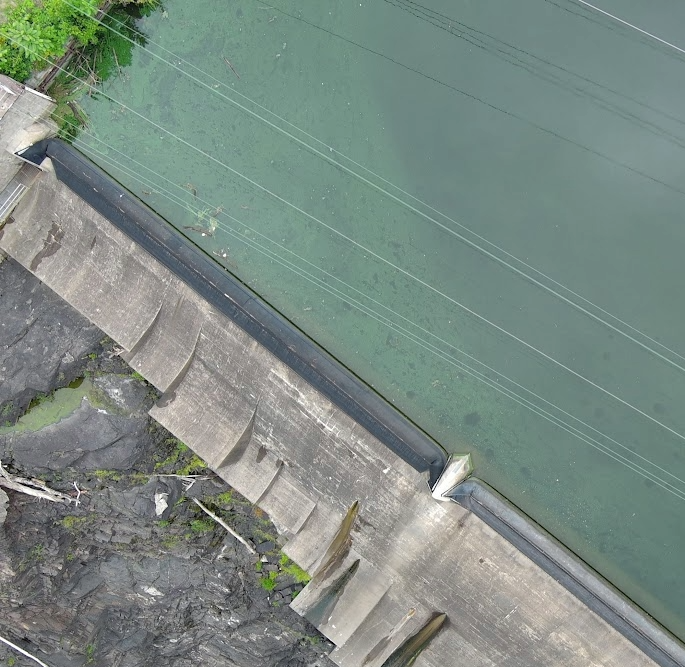
Real WRWA field documentation from the Wallkill corridor. Compare against the visual reference guide above before escalating an observation.

Harmful Algal Blooms (HABs) on the Wallkill

Still Waters, an environmental justice documentary recently produced by Marist College students, provides an interesting perspective on the recurring issue of Harmful Algal Blooms (HABs) on the Wallkill River. It can be viewed by clicking the image below. WRWA participates in a number of active projects to investigate the possible causes of HABs and measures to prevent these undesirable occurrences.

Film on Harmful Algal Blooms on the Wallkill River

“A film recently produced by Marist College students provides an interesting perspective on the recurring issue of Harmful Algal Blooms (HABs) on the Wallkill River. WRWA participates in a number of active projects to investigate the possible causes of HABs and measures to prevent these undesirable occurrences.”

2015 – 2016

The Worst Documented HABs Outbreak in the Wallkill’s Recorded History

How a bright-green bloom turned more than 30 miles of the Wallkill River into “a river of poison” — and how the community fought to bring it to light.

October 22nd, 2016

Confirmed: Wallkill River Algae Produced High Toxin Levels

The bloom has affected as much as 30 miles of the river from Montgomery to its confluence with the Rondout Creek, over more than 50 days, from Aug. 24 through Oct. 22. Isolated observations have been made at other times and places on the river this year as well.

Since then, visual reported observations by the Alliance and Riverkeeper of suspicious algae were made in the stretch of river between Rifton and Sturgeon Pool. When visible algae and measured toxin levels have dissipated, the Alliance and Riverkeeper will alert the public.

Wallkill River Watershed Alliance and Riverkeeper call for action to address underlying causes of an algal bloom that has affected miles of the river for weeks.

Analysis has confirmed the presence of toxins produced by the Harmful Algal Bloom in the Wallkill River. Samples taken by the Wallkill River Watershed Alliance and Riverkeeper, and analyzed through a Department of Environmental Conservation screening program, revealed toxins up to 25 times DEC’s “High Toxin” threshold.

The Wallkill River Watershed Alliance and Riverkeeper took multiple samples over several weeks, and sent several samples for analysis to SUNY College of Environmental Science and Forestry, as part of a Department of Environmental Conservation program to document and monitor Harmful Algal Blooms.

While algae are a natural part of any river ecosystem, a long-lasting widespread harmful algal bloom of this type — Microcystis, a cyanobacteria, also known as blue-green algae — in a river is not a purely natural condition. Conditions that lead to algal blooms such as this include high temperatures, slow or stagnant water, and excess nutrients in the water that could come from sewage (both treated and untreated), urban runoff, and runoff of fertilizers from farms and lawns.

“This situation is appalling and deeply disturbing. By ignoring climate change and dumping large amounts of nutrients into the river, we’ve transformed it into a river of poison.”

— Jason West, Director of the Wallkill River Watershed Alliance

“This is the Wallkill River’s bright green plea for help. We are calling on local, state and federal officials to define the causes of this harmful algae, and to start healing this river.”

— Dan Shapley, Riverkeeper’s Water Quality Program Manager

Wallkill River Watershed Alliance and Riverkeeper, in cooperation with DEC, will continue monitoring the algae until it dissipates.

DEC protocol recommends public notification based on the visual appearance of algae. Identification of the genus and toxins are additional confirmation that the algae was in fact harmful, but are not considered necessary prior to public notification. According to the DEC: “Because it is hard to tell a HAB from other non-harmful algae blooms, it is best to avoid swimming, boating, otherwise recreating in, or drinking water with a bloom. DEC strongly recommends avoiding all contact with any floating mats, scums, or discolored water.”

The extent of the river covered by algae has shifted somewhat from day to day, but has generally been present bank-to-bank in the stretch from New Paltz to Rifton since August 24. Algae has been observed as far upstream as Montgomery, and also in the Rondout Creek downstream of the confluence of the Wallkill — a stretch of more than 30 miles of river.

Public access locations within this section are numerous, and include Riverfront Park in Montgomery, Veteran’s Memorial Park in Walden, the Gardiner fishing access on Farmer’s Turnpike, the boat launch at the Ulster County Fairgrounds in Gardiner, the Village of New Paltz boat launch on Springtown Road, the New Paltz community gardens, the Wallkill River Valley Rail Trail bridge crossing, the DEC boat launch in Town of Rosendale, Perrine’s Bridge Park in Town of Esopus, the DEC fishing access site on Creek Locks Road in Town of Ulster, and several informal access sites used by anglers. The private beach at Central Hudson’s recreational facility on Sturgeon Pond has been closed since August 25, on the advice of the Ulster County Department of Health.

Toxins produced by Microcystis can be harmful to people, dogs or other pets, livestock and wildlife. Exposure may result from ingestion, skin contact or inhalation. If people or pets are exposed, they should be rinsed with clean water immediately. Health effects from exposure may include skin irritation, fever, nausea and vomiting, or more serious health problems, including neurological and liver damage. The most serious symptoms are likely to result from exposure by ingestion.

In addition to human health effects, large algal blooms can stress or kill fish and other aquatic life, particularly as algae die and decompose, consuming oxygen that aquatic life needs to survive.

Those who observe a suspicious algal bloom on the Wallkill River are asked to send photographs in an email to wallkillalliance@gmail.com, and use the Wallkill River Watershed Alliance’s Harmful Algal Bloom reporting form to document it.

The community science projects that made these Wallkill River observations possible are funded in part by the Environmental Protection Fund, via the Hudson River Estuary Program.

How the Bloom Unfolded

The first warning came in the late summer of 2015. On August 26, a large algae bloom spread across roughly two miles of the Wallkill River below Sojourner Truth Park in New Paltz. A SUNY Rockland biologist working with the Wallkill River Watershed Alliance examined the samples and identified potentially harmful algae genera, and the New York State Department of Environmental Conservation’s Harmful Algal Bloom program — working only from a visual assessment — flagged the bloom as “suspicious.” It was a sign of what was to come.

Determined not to be caught off guard again, the Alliance and Riverkeeper began monthly monitoring of the Wallkill in June 2016, testing for nutrients and algae with the support of a grant from the NYS Environmental Protection Fund, awarded through the DEC’s Hudson River Estuary Program. That decision would soon prove critical.

By mid-August the river began to turn. Algae appeared near Rifton on August 15, and biologists from SUNY Rockland and SUNY Ulster confirmed the culprit: Microcystis, a cyanobacteria better known as blue-green algae. Just over a week later, on August 24, a far larger bloom was observed stretching from New Paltz all the way to Rifton, and testing again confirmed Microcystis throughout.

The following day, August 25, the Alliance and Riverkeeper — in consultation with the DEC’s HAB program — warned the public to stay out of the water wherever algae were visible. The DEC listed both the Wallkill River and Sturgeon Pool as “suspicious,” and, on the advice of the Ulster County Department of Health, Central Hudson closed its recreation beach on Sturgeon Pool. By August 31 the bloom had pushed past the river’s mouth: based on photographs Riverkeeper submitted from the DEC fishing access on Creek Locks Road, the agency added Rondout Creek — downstream of the Wallkill confluence — to the “suspicious” list.

The monitoring program quickly turned suspicion into hard evidence. On September 1, SUNY College of Environmental Science and Forestry (SUNY ESF), part of the DEC’s HAB monitoring network, completed its first analysis of three samples gathered at Sojourner Truth Park and at Rifton. The results showed blue-green chlorophyll-A levels far above DEC thresholds and dense Microcystis in every sample, and the DEC moved the Wallkill River bloom from “suspicious” to “confirmed.”

A week later, on September 7, the toxin numbers came back — and they were alarming. SUNY ESF measured microcystin, the toxin produced by some strains of Microcystis, against the DEC’s “high toxin” threshold of 20 µg/l. The two samples taken at Sojourner Truth Park blew past it: 517 µg/l from August 26 and 269 µg/l from August 29 — the higher reading more than 25 times the threshold. The Rifton sample, by contrast, registered just 3 µg/l, below the limit. On September 9, with the toxin analysis in hand, the DEC made it official, listing the Wallkill River bloom as “confirmed with high toxins.” (See: dec.ny.gov/chemical/83310.html)

By the time it finally faded, the bloom had persisted for more than 50 days — from August 24 through October 22 — and had touched as much as 30 miles of river, from Montgomery downstream to the Rondout Creek. It remains the most severe and best-documented Harmful Algal Bloom in the Wallkill’s recorded history, and the event that transformed how the watershed is watched, sampled, and protected today.

Additional Information

For the Public

For Reporters

DEC Research Scientists focused on Harmful Algal Blooms are available to answer questions. Call Rebecca Gorney, Ph.D., Research Scientist, Division of Water, Lake Monitoring & Assessment Section, DEC. 518-402-8179, Rebecca.Gorney@dec.ny.gov

Contacts

Wallkill River Watershed Map

Wallkill River Watershed Map

Use layers (top right) to view watershed boundaries, monitoring stations, access points, and USGS hydrology.

Legend

Watershed boundary
USGS gauge
Citizen Science Monitoring Station
Access sites
USGS Hydrology (NHD)
HABs reports (newest red)

A Decade of Confirmed HABs on the Wallkill

Confirmed Harmful Algal Bloom (HAB) reports in the Wallkill River watershed, 2015–2025. Hover any year for the breakdown.

Confirmed HABs Reports by Year

Stacked by confirmation level — values shown above each column.

Confirmed Confirmed with high toxins

Where the Blooms Were Confirmed

Total confirmed reports per waterbody, 2015–2025.

Source: NYSDEC NYHABS & Wallkill River Watershed Alliance monitoring. “Confirmed” includes records flagged confirmed and confirmed with high toxins; suspicious and unverified reports are not counted.